
Guidance for Schools During Periods of Extreme Heat
For many children affected by Ectodermal Dysplasia (ED), hot weather is more than just uncomfortable — it can pose a serious risk to their health and wellbeing.
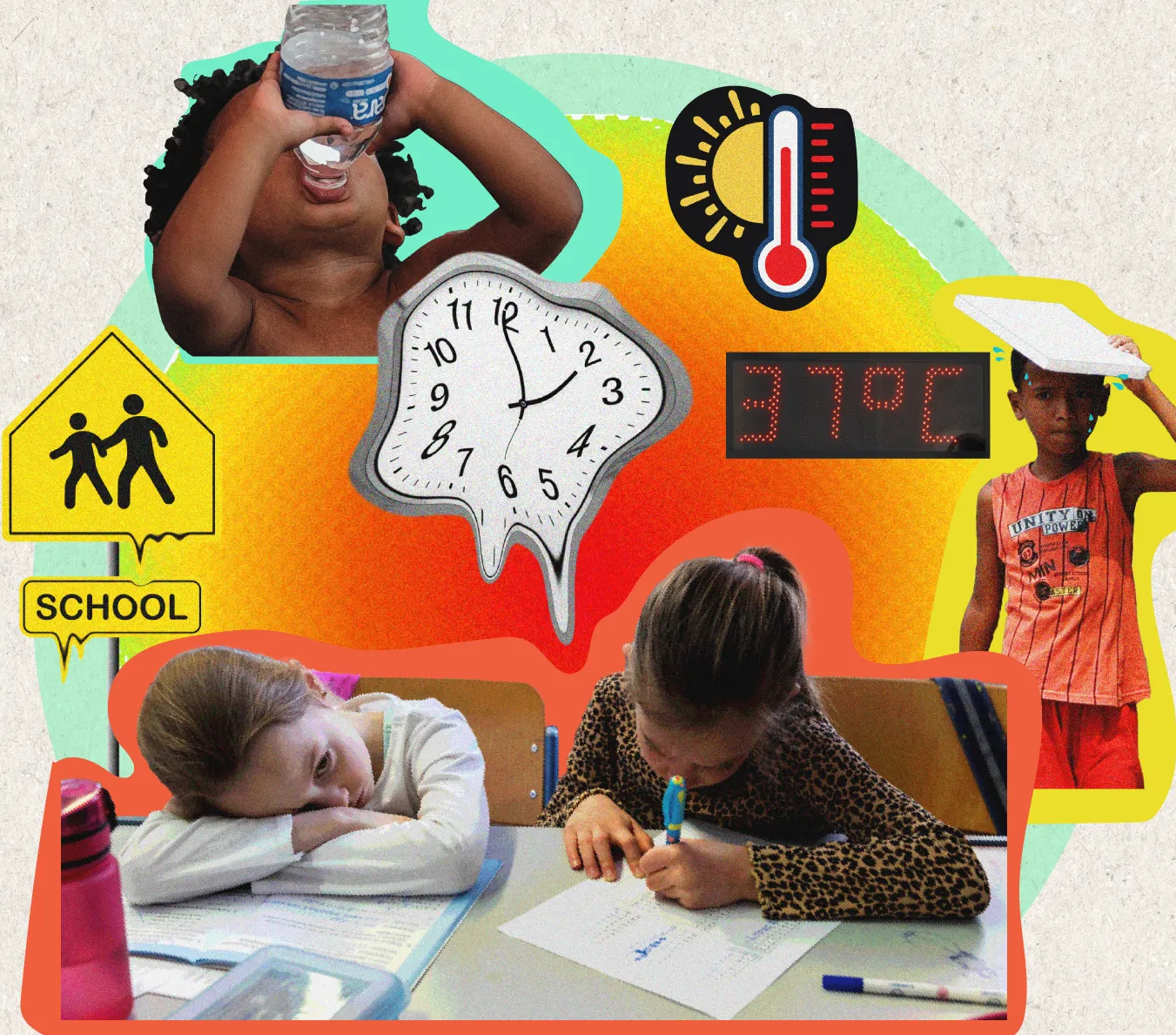
Many will have reduced or absent sweat glands, meaning their bodies are unable to cool themselves effectively. During periods of exceptionally hot weather, they can overheat quickly, placing them at increased risk of heat-related illness and medical emergencies.
Whilst schools work hard to support pupils during warm weather, there may be occasions when parents feel that attending school during periods of extreme heat is not safe for their child. Every child is different, and factors such as classroom temperatures, access to cooling measures, travel arrangements and individual symptoms can all influence risk.
To help families navigate these situations, the ED Society have produced and information sheet that can be shared with your child’s school. It helps explain the risks associated with Ectodermal Dysplasia, outlines reasonable adjustments schools may wish to consider, and encourages a flexible, individual approach when temperatures become exceptionally high.
The guidance also highlights circumstances where families and schools may need to work together to consider whether attendance is appropriate, particularly when effective temperature control cannot be guaranteed.
We encourage parents and carers to share this information with their child’s school, SENCO, class teacher and any other staff involved in their care. By working together and understanding the unique challenges that hot weather can present for children affected by Ectodermal Dysplasia, schools and families can help ensure that children remain safe, supported and able to access education as comfortably as possible.
Download the School Guidance Letter
You can get a copy of our information letter here
If your child is experiencing difficulties at school relating to temperature regulation, attendance, reasonable adjustments, or any other aspect of their Ectodermal Dysplasia, please do not hesitate to contact the ED Society. Our team has extensive experience supporting families and schools and can provide further guidance, information, or individual support where needed.
01242 261332.
We are here to help.